

UGA Griffin Campus · Research & Education Garden
Green Stormwater Infrastructure Demonstration Site
Nine stops show how a landscape can capture, filter, and soak in stormwater, so rain feeds the ground instead of overwhelming the storm drain.
About This Site
Your Guide to Stormwater Infrastructure
This 9-stop walking tour at UGA's Griffin Campus shows practical ways to manage stormwater in urban landscapes: rain gardens, bioswales, permeable pavement, and more. Whether you're here in person or exploring from home, each stop works at two levels: a quick overview and the technical detail behind it.
Visiting In Person?
Scan the QR code at each stop for photos, technical details, and homeowner tips that go beyond the interpretive displays. The site is open during daylight hours at the UGA Griffin Campus.
Exploring Remotely?
Browse each stop at your own pace from anywhere. Every page includes design specifications, downloadable resources, and guidance for applying these practices at home or on a project site.
Who Is This For?
Homeowners, landscape professionals, students, Extension agents, and anyone curious about managing stormwater where they live or work. Each stop offers a quick overview and the professional-level detail behind it.
A project of the UGA Urban Water Management Team, supported by EPA Section 319(h) grant funding through the Georgia Environmental Protection Division. Made possible through the collaboration of our project partners.
Our Partners


Water's Journey
Follow the Flow
Each stop demonstrates a different green stormwater practice, from capturing rain at its source to filtering and infiltrating it back into the ground. Follow the site downhill and you can trace one storm's path: caught on a rooftop, slowed in a planted channel, and soaked back into the soil instead of rushing to the storm drain.
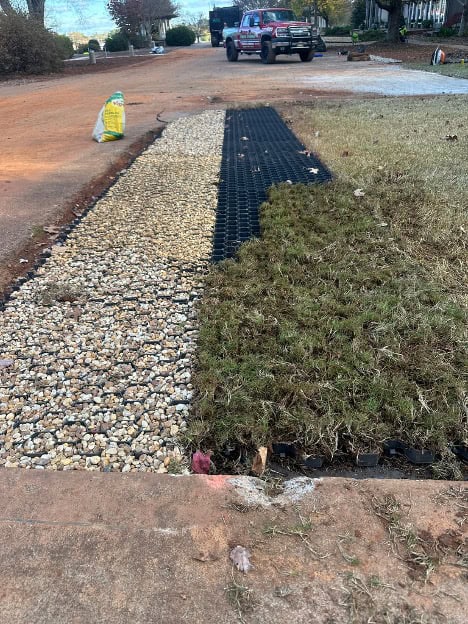
Stop 1
Grass & Gravel Grid
Stable surfaces that still let rain soak in
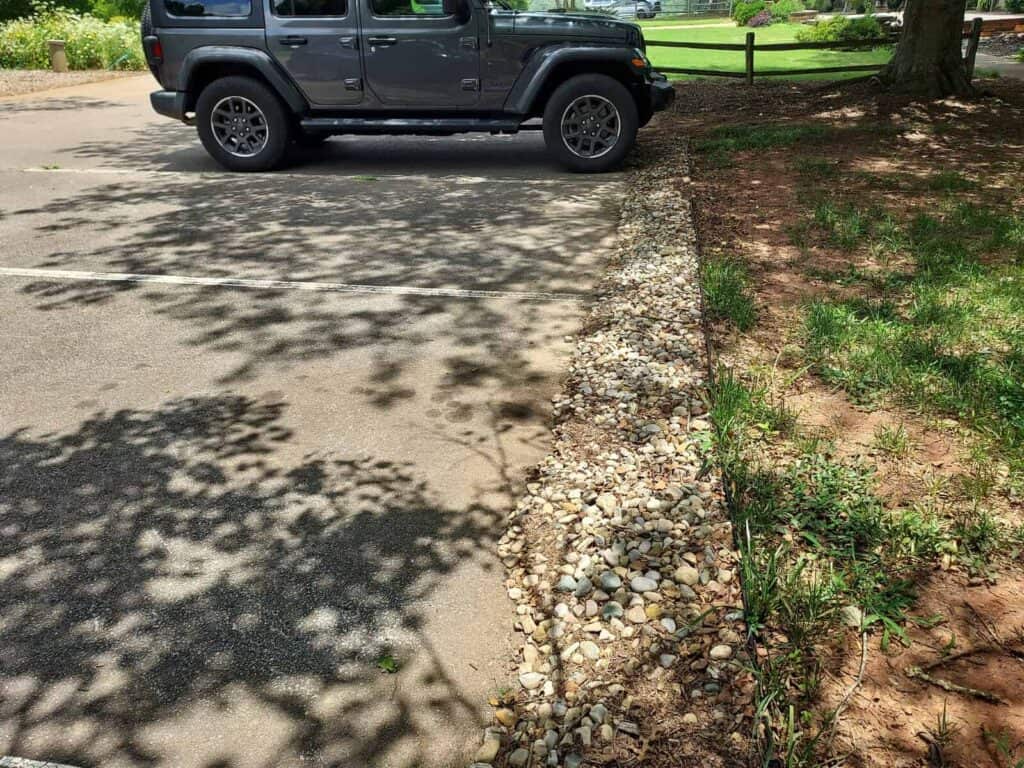
Stop 2
French Drain
Moving water underground before it becomes a problem
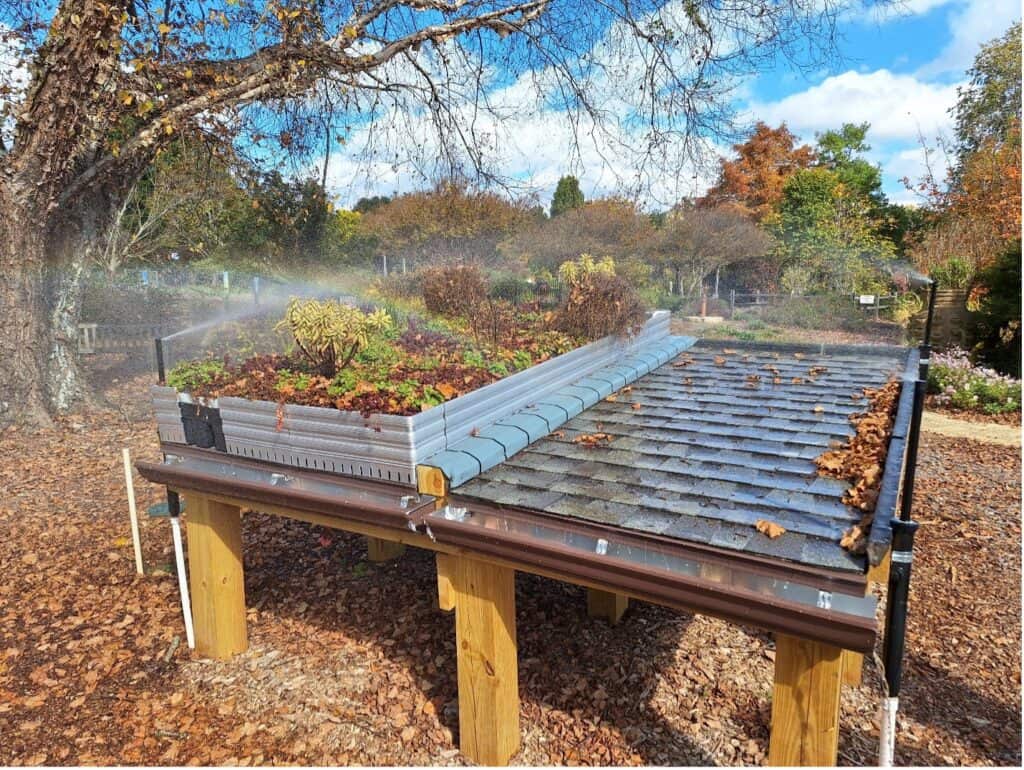
Stop 3
Green Roof Display Table
A planted roof that holds rain instead of shedding it
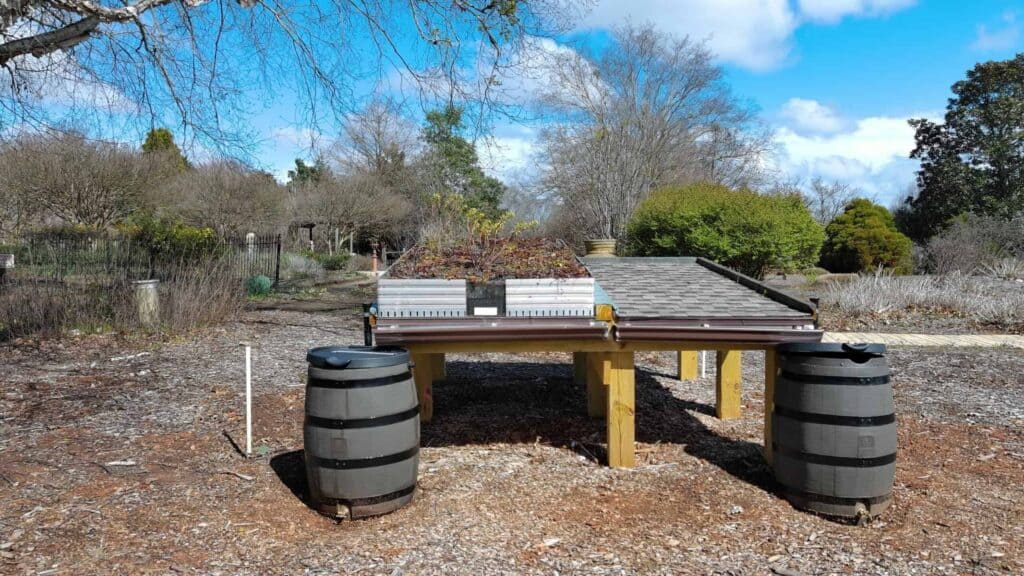
Stop 4
Rain Barrels
The simplest first step in managing rooftop runoff
Stop 5
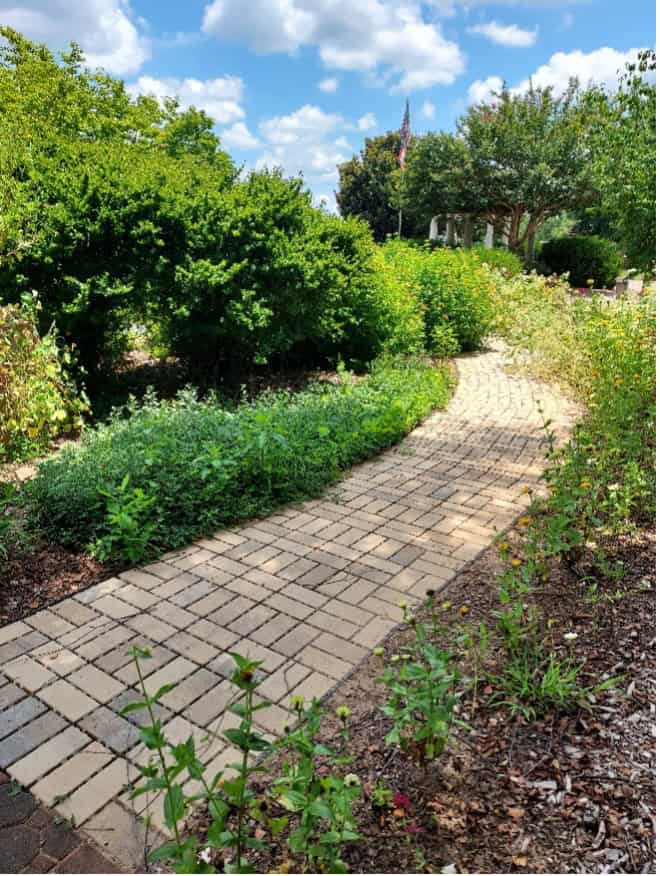
Pervious Paver Block
Durable surfaces that let water pass through
Stop 6
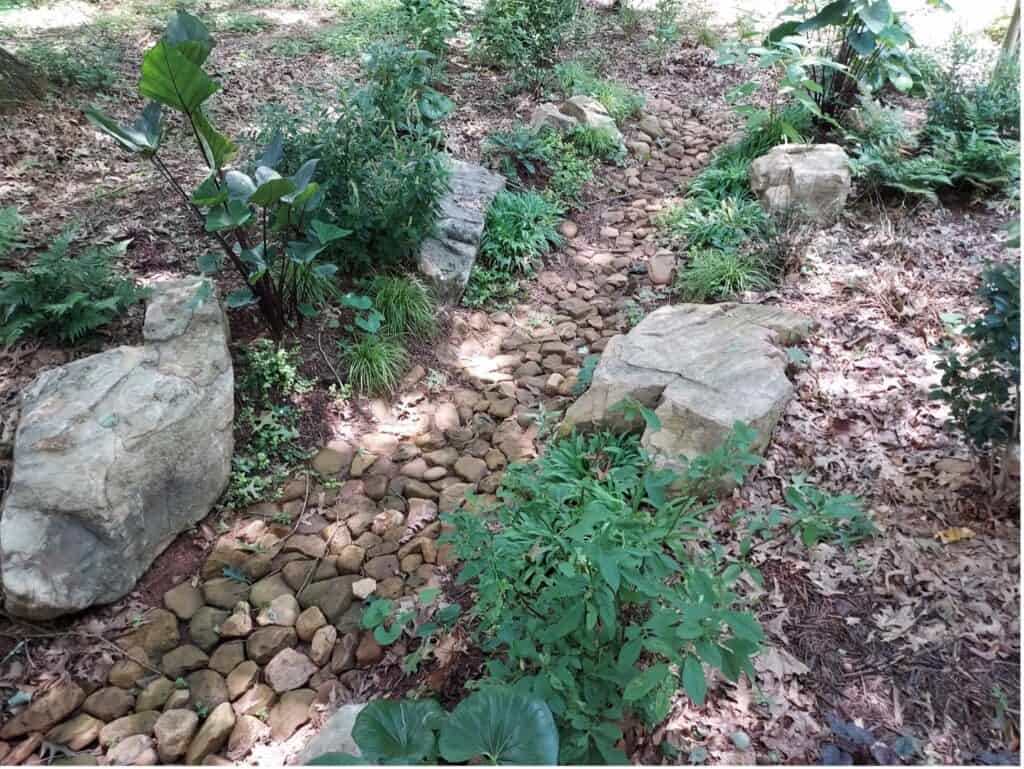
Bioswale
A living channel that cleans water as it flows
Stop 7
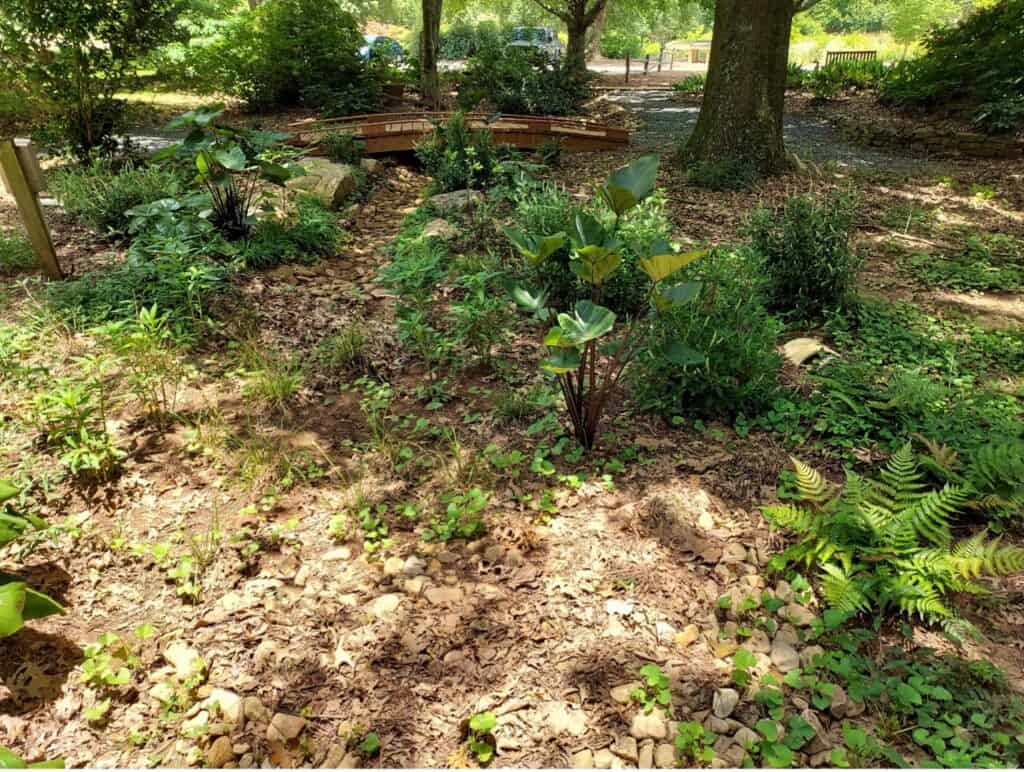
Rain Garden
A landscaped garden where runoff recharges the soil
Stop 8
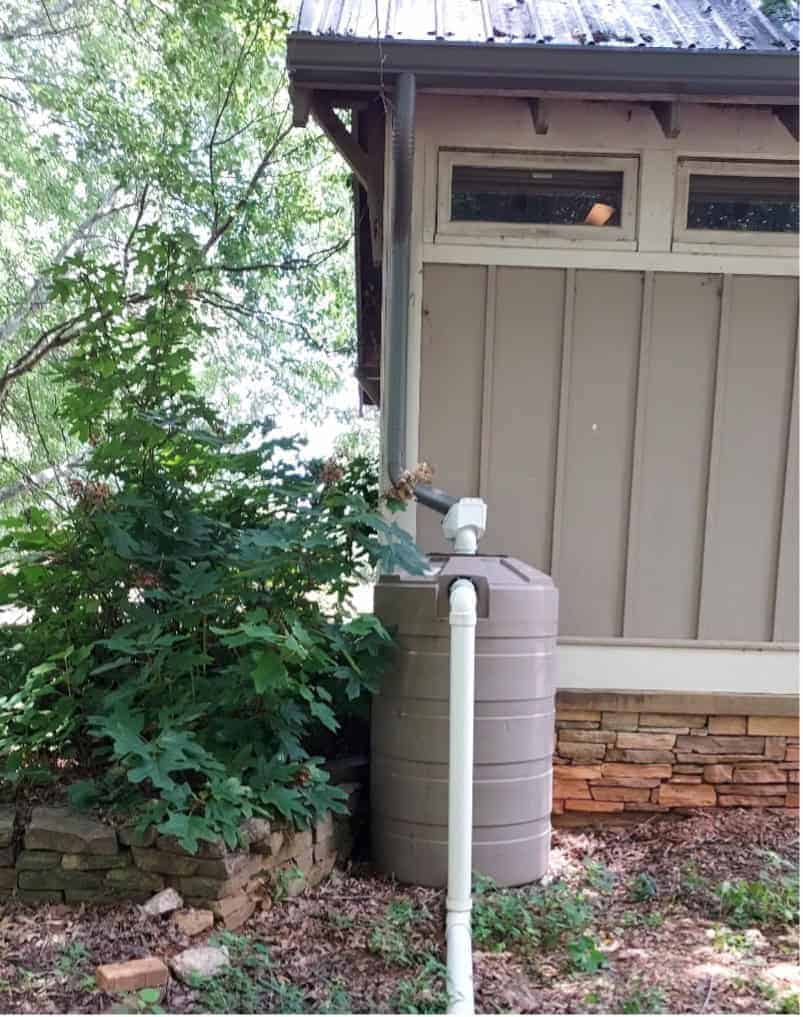
Cistern
Large-scale rainwater harvesting for storage and stormwater control
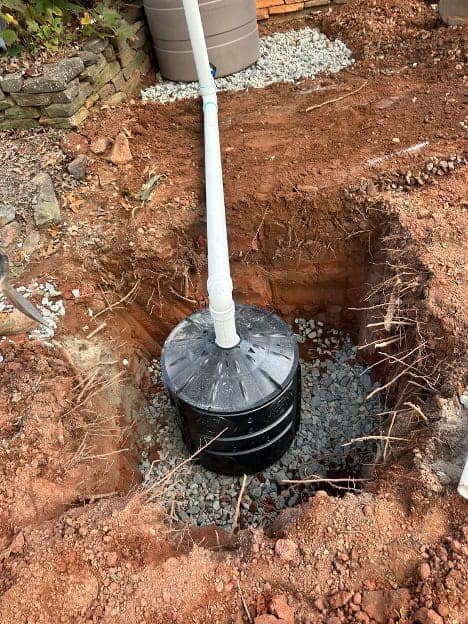
Stop 9
Dry Well
Underground storage that returns water to the earth